




The pace of software development is speeding up, and development teams can no longer afford slow, manual testing procedures. This is the core driver behind the rising popularity of Quality Assessment (QA) automation startups.
At the same time, operating in such a fast-growing industry doesn’t guarantee long-term success. Besides the great potential, the rising popularity in this niche also means intense competition. In other words, you’re not alone in this race; thousands of other startups are breathing down your neck, if not already ahead of you.
What can you do? Increase brand visibility to make your product discoverable, trusted, and top-of-mind among engineering teams, QA specialists, and decision-makers actively seeking automation solutions. Read on — some very concrete and practical advice awaits you in the few pages that follow.

Source: Freepik
Strengthen Core Elements That Shape Brand Visibility
You have a unique value proposition that has the potential to rock the QA automation market, but you are not getting the attention it deserves. What you need is to get the basics of online visibility right: launch a dedicated website and perfect its on-page SEO with industry-focused keywords.
Build A Value-Centric Website Tailored To Developer and CTO Needs
If someone lands on your site from a search result or a referral link, they want to “get it” right away. Technical-minded people won’t appreciate fluff; they look for concrete things: what you offer, including relevant specs, how it works, and how much it costs.
So, put on the developer’s and CTO glasses and design or redesign your site to meet their expectations. Show the essentials and respect your visitors’ time.
For example, the following elements should be impossible to miss:
- What your tool solves, in plain language.
- How it fits into the typical CI/CD pipeline.
- A look at the tasks it can fully automate.
- Some numbers or charts that aren’t dressed up.
- A couple of real stories showing your impact.
When these elements are visible and easy to digest, your website becomes much more credible. Developers often skim before they read, so clear sections and simple explanations do a lot of heavy lifting. CTOs will scan for ROI clues, even if they don’t call it that.
You don’t need to impress people with buzzwords or huge claims. Just be specific. Show what you’ve built and how it helps. A value-first website does that naturally and helps your brand get noticed in a space where too many QA automation companies sound exactly the same.
Improve On-Page SEO With Niche, Industry-Focused Keyword Targets
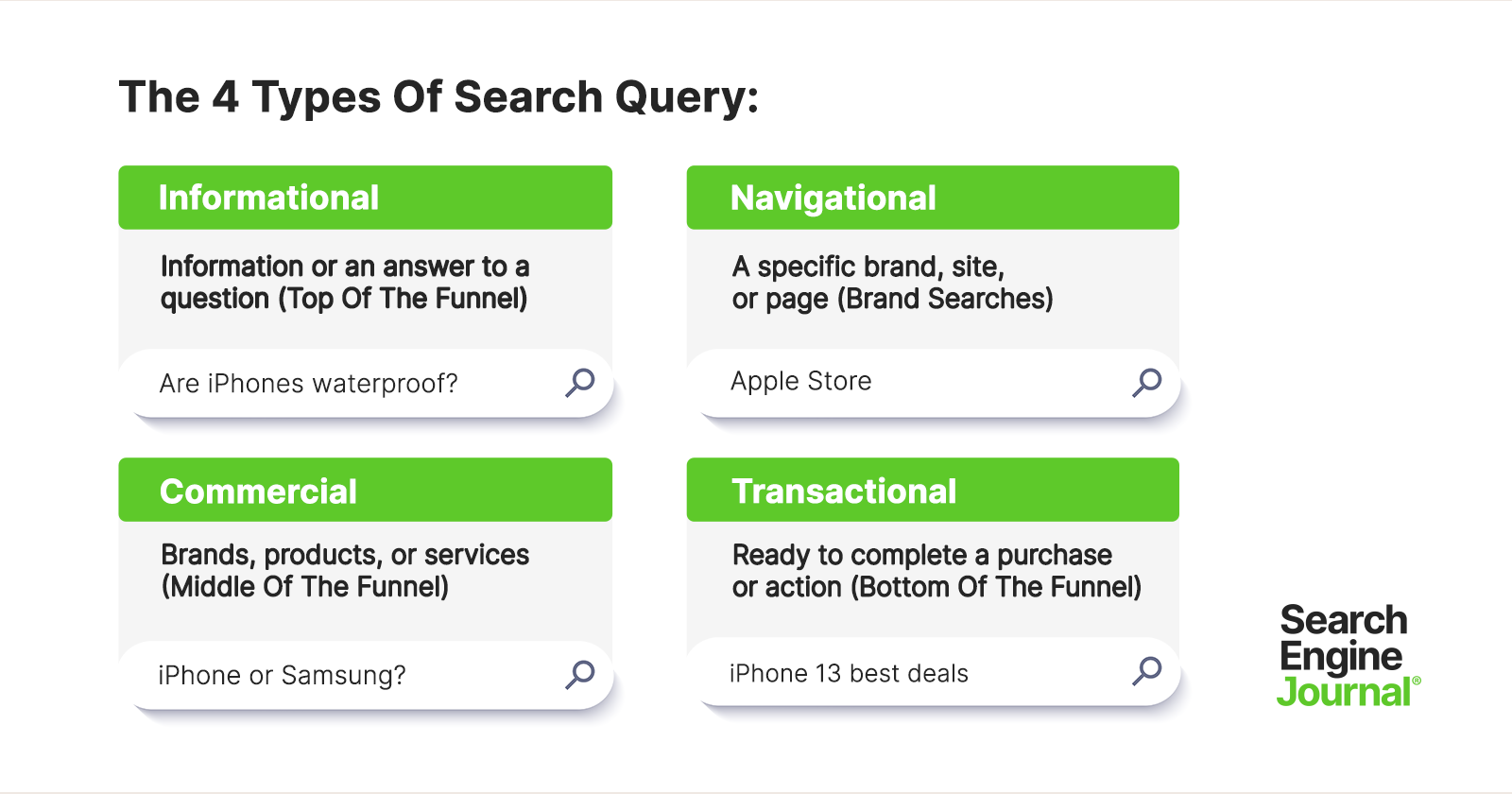
If your organic traffic looks flat, it doesn’t always mean your content is bad. Sometimes you’re just speaking the wrong language. Broad keywords attract broad audiences. QA automation buyers, however, search with very specific problems and contexts in mind.
Source: Searchenginejournal
Think of all the small corners of the QA world where your product genuinely shines. Those are your primary keyword opportunities, waiting to be explored.
More specifically, look for the following keyword opportunities:
- Recurring pain points, like slow suites or unreliable smoke tests.
- Concrete scenarios: “automation for microservices,” “API contract testing,” etc.
- Integration details with CI/CD tools your audience already uses.
- Niche segments: mobile-first products, distributed teams, and regulated industries.
- Relevant queries that suggest someone is already evaluating tools.
You don’t have to overhaul every page with these. Use them wisely, i.e., in H1s, H2s, your page intros, and Q&A sections.
This type of keyword strategy will bring you people who are more likely to book a demo, start a trial, or forward your page to their team channel.
Expand Reach Through High-Authority Content and Thought Leadership
A search-engine-optimized, value-driven website is only the start of your brand visibility journey. It’s your harbor, an area you feed with quality content to attract visitors. But you also need to actively acquire traffic by creating and disseminating educational content, embedding relevant backlinks, and launching PR campaigns within niche communities.
Leverage Guest Posting and Backlink Campaigns On Reputable Tech Platforms
If you want to broaden your reach beyond your own website, you need to get your voice into places where developers, QA engineers, and CTOs already spend their time.
Guest posting is one of the simplest ways to do that because it gives you access to existing audiences instead of forcing you to build everything from scratch. Essentially, you piggyback on others’ popularity and exposure, but it’s a perfectly legitimate practice that brings mutual benefits to both sides.
When planning your outreach, think about the types of content that fit naturally with editorial standards on tech sites:
- Deep dives into specific automation problems and how to solve them.
- Comparisons of modern testing frameworks.
- Practical breakdowns of CI/CD challenges.
- API testing lessons for startups or migration stories.
- Unique datasets or insights pulled from your digital platform.
- AI software testing in real-world business environments.
Producing content like this takes time and skills, which you may not have right away. That’s why getting external help with guest posting is a good strategy worth a try. Consider collaborating with a guest posting service to streamline your process for crafting standout submissions.
That approach will bring you two significant benefits: better alignment with publisher expectations and greater online exposure.
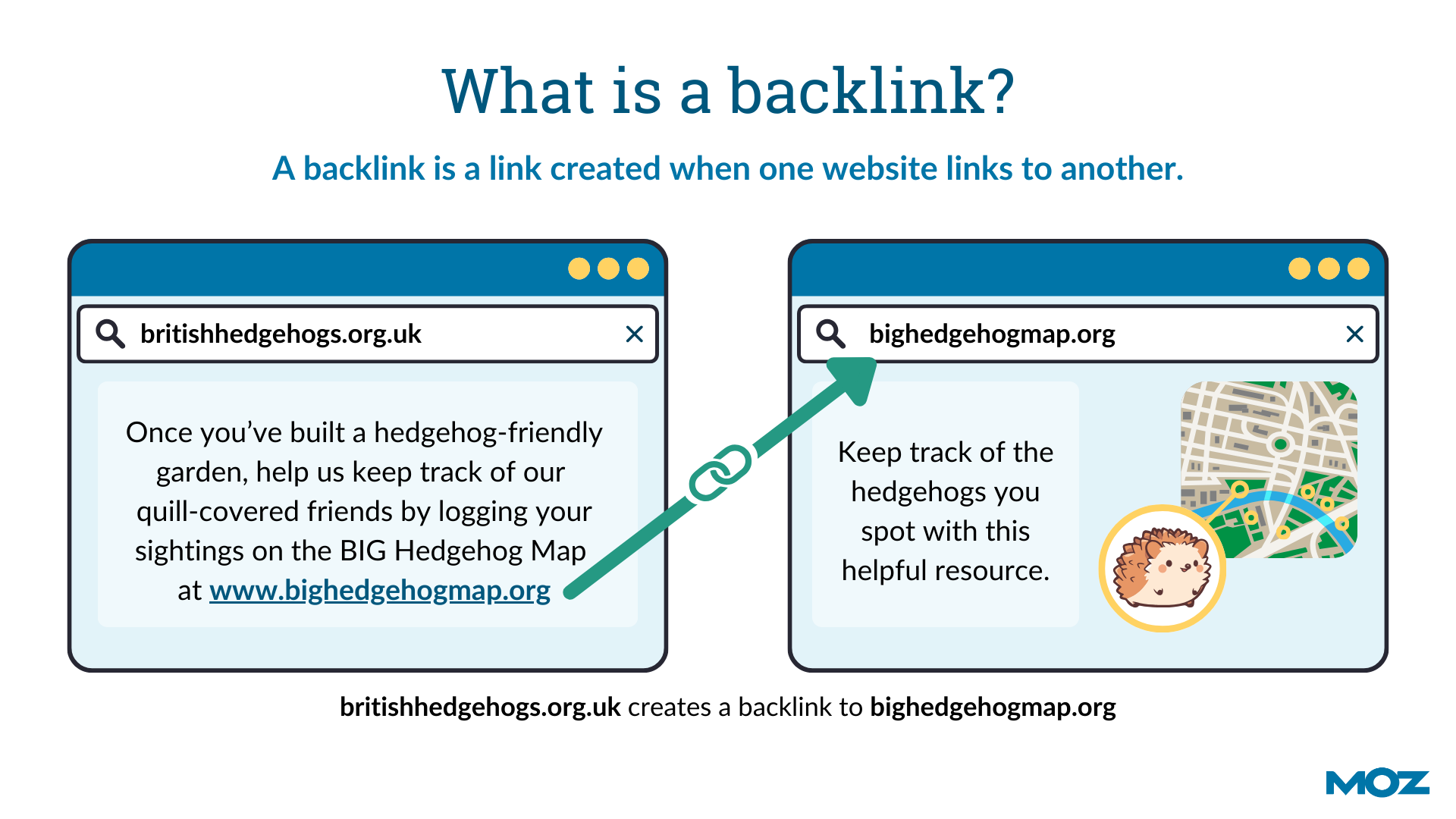
What is the role of backlinks here? Backlinks usually come hand in hand with guest posting. By strategically positioning backlinks to your website in external posts and other publications on reputable tech platforms (e.g., Dev.to, DZone, InfoQ, Ministry of Testing, etc.), you’ll get search engines’ and users’ attention. The latter will position your pages higher in SERPs (search engine results pages), while the former will find you faster and view you as a credible source on the market.
Source: Moz
Create Educational Content Tailored to Engineers and QA Managers
Whether part of a guest posting and backlinks campaign, or as a stand-alone work intended for your main websites and social media pages, educational content represents a b visibility-building factor.
How do you create one? The best educational content doesn’t come from professional teachers — it comes from sharing the small things your team already knows but never writes down. Engineers love that kind of material. A quick explanation of how you fixed a flaky test is often more valuable than a polished “guide.”
So, your best ideas come from day-to-day work, and include things like:
- A regression that made no sense until it suddenly did.
- A CI step that kept failing for reasons no one expected.
- A quick note on improving test speed.
- Some trial-and-error trick that finally worked.
- Lessons from switching frameworks.
If your content sounds like it came from real people solving real problems, engineers will not skip it. And if they read it once or twice, they’ll become addicted to your little tips and will become your loyal fans.
It becomes obvious that in creating educational content to increase brand visibility, the key isn’t even ideas — it’s consistency. Utilizing ContentGrip, QA startups can streamline their visibility marketing efforts and reinforce the steady publishing cadence needed for SEO growth.
Boost Discoverability Through Strategic Partnerships and Marketing
Besides educational content and guest posting, visibility can be effectively increased by partnering with tool owners and specialized platforms your audience already relies on.
Strengthening these relationships — and supporting them with targeted PPC and LinkedIn outreach — helps your brand appear in the exact places where QA decision-makers spend their time.
Partner With Complementary DevOps and CI/CD Tools
One of the easiest ways to get your product in front of the right teams is by connecting it to the tools they already use every day. And if your product works smoothly with the right DevOps and
CI/CD tools, the discovery part happens almost automatically.
You don’t need dozens of integrations. Start with the ones that naturally match your users’ environment:
- Jenkins or GitHub Actions for teams with classic pipelines.
- CircleCI for agile, fast-moving applications.
- Container or cloud ecosystems (Docker, Kubernetes, AWS).
- Testomat.io for managing test cases, syncing automated tests, and keeping QA workflows tightly aligned with your CI/CD setup.
If your product fits naturally into a workflow someone already depends on, the evaluation process becomes shorter, and you get discovered almost by accident — the best kind of visibility marketing.
Launch Targeted PPC and LinkedIn Campaigns for QA Decision-Makers
Paid campaigns get a bad reputation, but when you aim them at the right people, they’re one of the fastest ways to get traction.
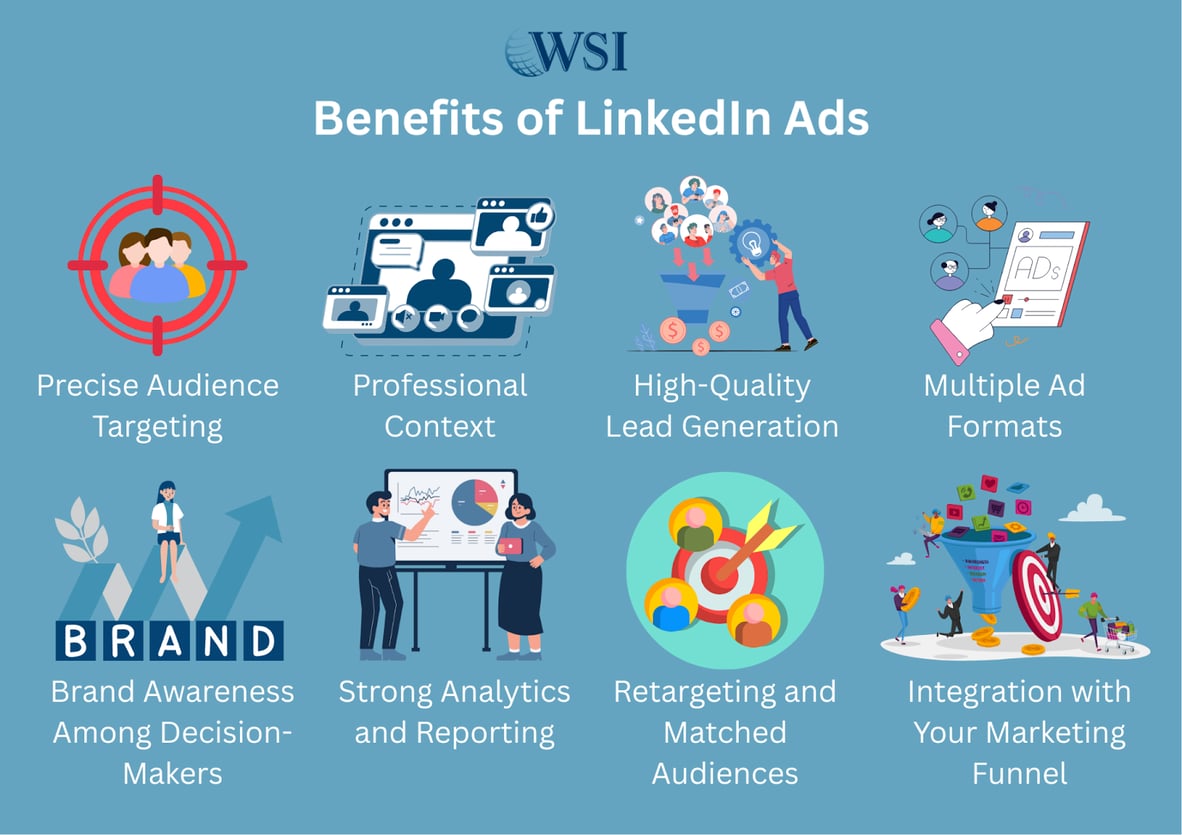
QA decision-makers scroll LinkedIn constantly — usually looking for tips, concrete examples of automation tools, or case studies from other teams. Reaching them there gives you immediate exposure, sometimes faster than months of content work.
Source: WSI
PPC rounds this out by capturing people already searching for automation help. Together, they build brand visibility without waiting for organic growth. Just try running small, tightly focused campaigns instead of big, general ones.
Here are some suggestions on good topic areas (you can use them as guidance to create your specific stories within each area):
- Automation coverage gains.
- Faster regression cycles.
- Test stability improvements.
- CI/CD troubleshooting.
- Real customer results framed as case studies.
You don’t need a full-time ads expert to manage this. Modern SEO platforms, powered by AI, streamline campaign optimization through the strategic use of software that automates research, targeting, and reporting.
Ultimately, when your ads speak directly to the everyday headaches of QA teams, you win in the engagement and conversions department.
The Key Takeaways
The QA automation market promises sustainable growth and good profits, but only for those startups that can win in the brand visibility competition. What good does your QA solution bring if only a handful of potential buyers can see it? Your rivals with perhaps even worse products can easily outpace you by successfully promoting their brand wherever their audience spends time.
Tellingly, the key to surviving and winning in this marketing visibility game is consistency. A single guest post or an educational video, no matter how great and viral they are, will not get you far; you need a steady flow of high-quality content through multiple communication channels.
Start with the basics, like an effective website and focused on-page SEO. Add guest posting and strategic backlinks to reach new readers, then publish educational content that speaks to engineers in their own language.
Strengthen your reach even more by partnering with DevOps and CI/CD tools, and finish it off with targeted PPC and LinkedIn campaigns that put your message in front of the right decision-makers.