




Test data management (TDM) is the process of creating, maintaining, securing, and provisioning the data that software tests actually run against. Done poorly, it’s a productivity drain, QA engineers spend up to 30% of their time dealing with invalid or outdated test datasets, according to industry estimates. That’s between 5 and 15 hours per week, per tester, burned on data setup instead of testing.
Done well, TDM gives teams on-demand access to the right data at the right time, in every test environment, without exposing sensitive production data or creating compliance risk.
This article covers the top 5 test data management tools available today, what makes each one worth considering, and how to match them to your team’s actual needs.
What to Look for in a TDM Tool
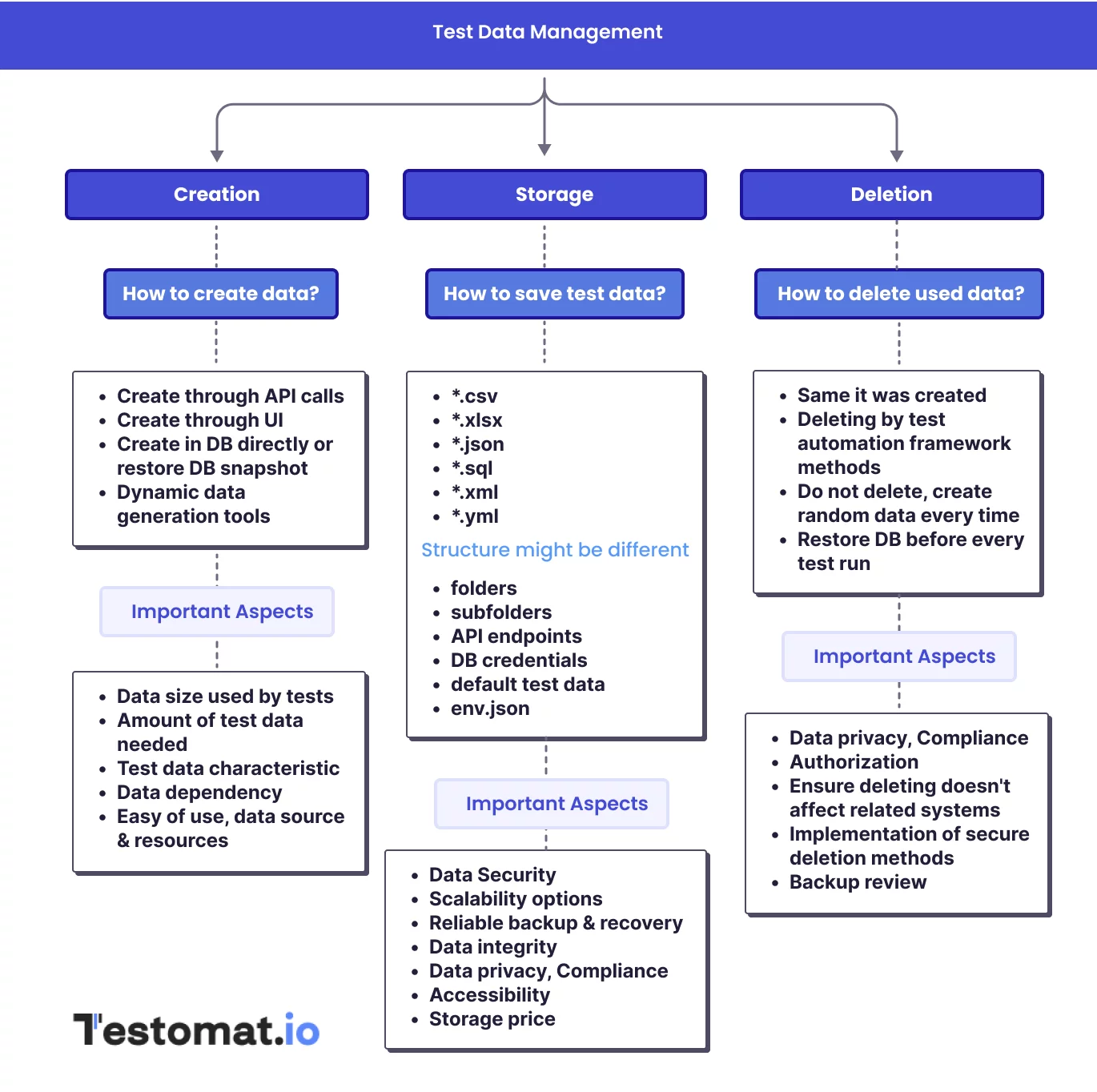
Before comparing tools, it’s worth being clear on what effective test data management actually requires. The best TDM tools support some combination of these capabilities:
- Data masking and anonymization: replacing sensitive or personally identifiable information (PII) with realistic but fictional values, so test data meets GDPR, CCPA, and HIPAA requirements without exposing confidential data
- Synthetic data generation: creating realistic test datasets from scratch rather than copying data from production
- Data subsetting: extracting smaller, targeted datasets from larger production databases for specific test scenarios
- Data provisioning: making the right data available to testers on demand, across multiple test environments
- Version control for test datasets: tracking changes to test data over time and enabling rollbacks
- CI/CD integration: connecting data provisioning to your existing automation pipelines so test data is always available when tests run
- Test coverage support: generating enough varied data to cover positive, negative, boundary, and edge-case scenarios
Not every tool does all of these well. The right choice depends on your team’s size, your compliance requirements, and whether you’re primarily managing manual test cases, automated tests, or both.
📊 Read also: ROI of Test Data Management: Maximize Your Investment
The 5 Best Test Data Management Tools
1. Testomat.io
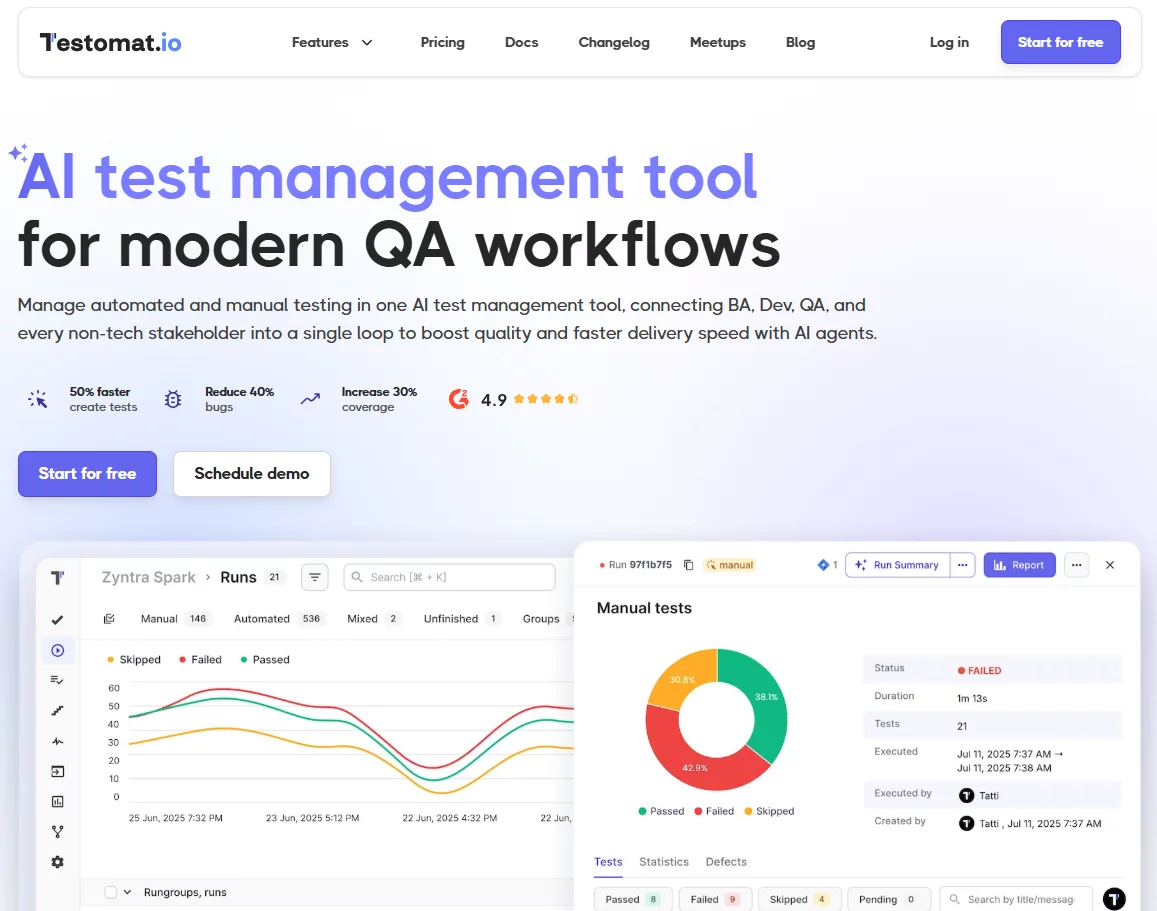
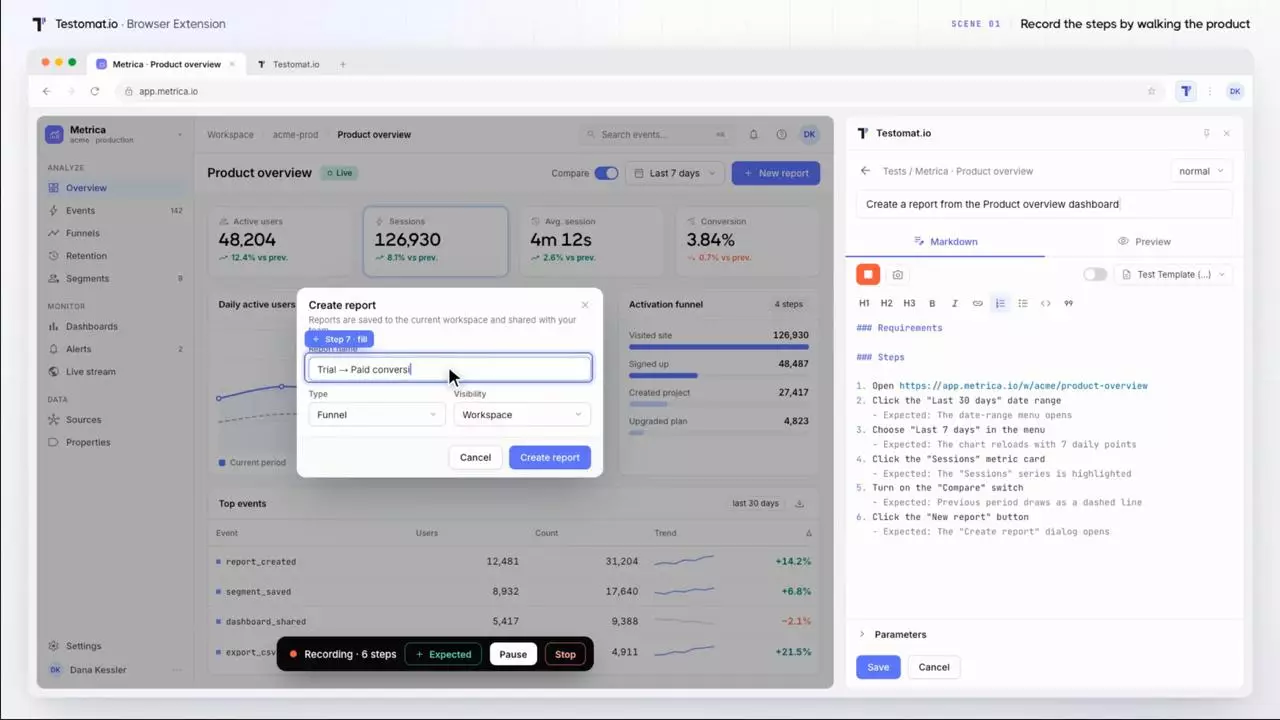
Testomat.io is a modern, AI-powered test management platform built for teams that run both manual and automated tests. It sits at the intersection of test case management and test data management, giving QA teams a single place to organize test scenarios, connect automation frameworks, and manage the execution environment that test data lives in.
Where Testomat.io stands out in TDM is its integration layer. It connects natively with Cypress, Playwright, WebdriverIO, Cucumber, Jest, and more — meaning test data provisioning happens inside the same system where your test cases, test runs, and analytics live. You’re not patching together separate tools.
What it does well for test data management:
- Native integration with major test automation frameworks, so test data flows directly into automated test execution
- Real-time analytics on test runs, including flaky test detection and automation coverage, which helps teams identify data quality problems causing false positives
- Mixed runs combining manual and automated tests against the same test environments
- Rerun failures on specific test subsets, useful when data provisioning issues cause sporadic failures
- Multi-environment support with configurable execution settings per environment
- Unlimited artifact storage via S3-compatible storage: screenshots, videos, and test output attached to individual runs
- AI-powered test generation to create test cases and scenarios automatically
Testomat.io works best as the management and orchestration layer on top of whichever TDM or data generation tool your team uses. For teams managing hundreds or thousands of test cases across CI/CD pipelines, it brings visibility that standalone TDM tools don’t provide, things like which test scenarios are covered, which environments are producing failures, and where automation coverage is thin.
Best for: QA teams running test automation at scale, especially those already using Playwright, Cypress, or Cucumber and needing better visibility into test data quality and coverage.
Pricing: Free plan available (2 users, 2 projects). Professional at $30/user/month. Enterprise with AI features available at custom pricing.
👉 Try Testomat.io free — no credit card required.
2. TestNG
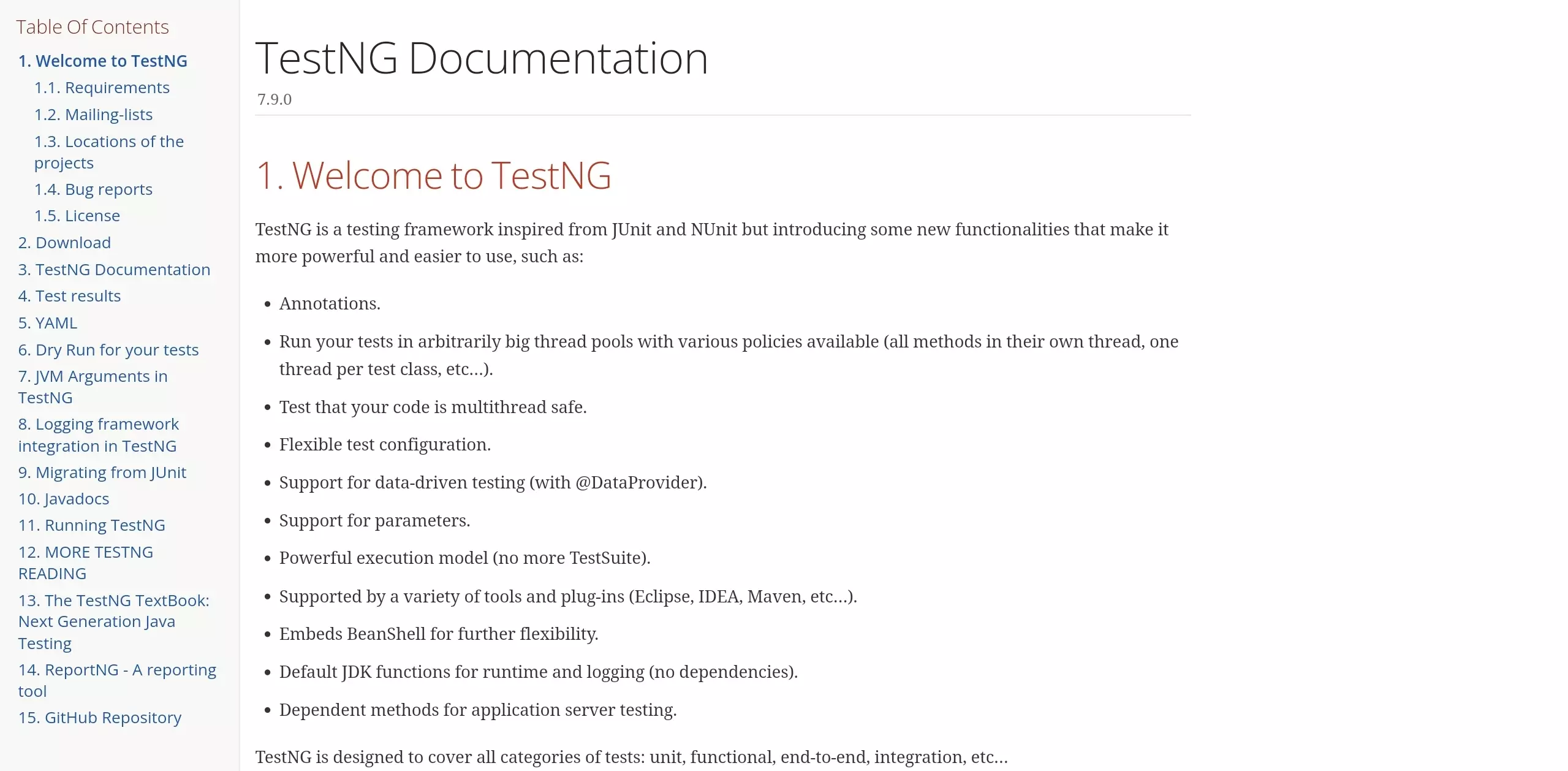
TestNG is a testing framework for Java-based applications, inspired by JUnit and NUnit. Its relevance to test data management comes from its strong support for data-driven testing — the ability to run the same test case against multiple sets of data without duplicating test logic.
For teams that need to generate varied test datasets and execute tests across all of them systematically, TestNG’s parameterization capabilities make this straightforward in Java environments.
What it does well for test data management:
- Data-driven testing via @DataProvider, feed multiple data sets into a single test method
- Parallel test execution to run data-driven tests faster across test environments
- Flexible test configuration for complex testing scenarios with different data requirements
- Integration with Maven and Ant for CI/CD pipeline use
- Supports groups, dependencies, and priorities to organize test runs against specific datasets
TestNG doesn’t mask data, generate synthetic data, or manage data privacy. It’s a test framework. Teams needing GDPR-compliant test data or synthetic data creation will need to pair it with a dedicated data tool.
Best for: Java development teams running data-driven unit and integration tests.
3. Cypress
Cypress is a frontend test automation tool with strong built-in support for managing test data within the browser testing context. It’s not a TDM tool in the traditional sense, it handles test data provisioning for web application testing better than most alternatives.
Its network interception capabilities let teams stub API responses and control exactly what data the application receives during a test run, without needing a live backend or real production data.
What it does well for test data management:
- cy.intercept() for mocking API responses with controlled test datasets
- cy.fixture() for loading static test data from files into tests
- Real-time reloads and time-travel debugging to inspect data state at each test step
- Automatic waiting reduces failures caused by data not loading in time
- Cypress Cloud provides run history and test data visibility across CI pipelines
For deeper data masking and synthetic data generation needs, Cypress is usually paired with a dedicated TDM or data generation library. Teams wanting a full picture of how Cypress fits into broader test management should check the Cypress Dashboard vs Cypress Cloud breakdown before committing to the paid tier.
Best for: JavaScript teams building web applications who need controlled test data at the API layer.
4. CA Test Data Manager (Broadcom)
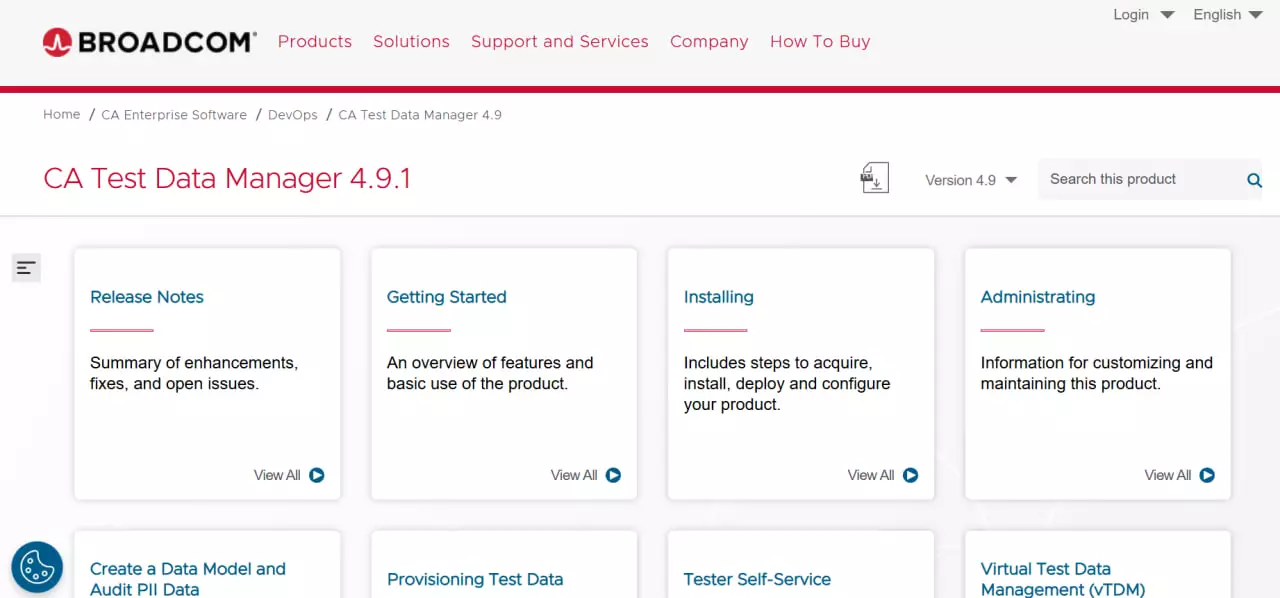
CA Test Data Manager (now part of Broadcom’s portfolio) is an enterprise-grade TDM solution designed for organizations with complex data environments and strict compliance requirements. It covers the full test data lifecycle — from subsetting production data and masking sensitive fields, to provisioning data across multiple test environments on demand.
It’s one of the more complete tools on this list for pure data management, and it’s priced accordingly.
What it does well for test data management:
- Data masking and anonymization with configurable rules per data type and field
- Synthetic data generation that mirrors the statistical distribution of real production data
- Data subsetting to extract smaller, relevant copies of production databases for testing without copying sensitive data in full
- On-demand test data provisioning via self-service portal for testers
- Integration with major databases and enterprise systems
- Compliance support for GDPR, CCPA, HIPAA, and similar regulations
Key limitations: CA Test Data Manager is expensive and requires significant setup effort. It’s designed for large enterprise environments with dedicated data management teams. Smaller teams or startups will find it disproportionate to their needs.
Best for: Large enterprises in regulated industries (finance, healthcare, insurance) that need end-to-end test data governance and must demonstrate compliance with data privacy regulations.
5. IBM InfoSphere Optim

IBM InfoSphere Optim is IBM’s enterprise data management platform with strong capabilities in test data masking, archiving, and subsetting. Like CA Test Data Manager, it’s built for large-scale environments where data governance and compliance are non-negotiable — and where the data volumes involved are too large for lighter tools to handle.
Optim integrates tightly with IBM’s broader data management ecosystem, which makes it a natural fit for organizations already running IBM infrastructure.
What it does well for test data management:
- Data masking and obfuscation with fine-grained control over how sensitive fields are handled
- Data archiving to manage storage costs while maintaining compliance with data retention policies
- Data subsetting to create right-sized test datasets from complex production databases
- Scalable architecture capable of handling very large datasets across distributed environments
- Deep integration with IBM Db2, IBM DataStage, and other IBM data tools
Key limitations: Setup is complex and costly. IBM InfoSphere Optim is not a tool you get running in a day. Teams outside the IBM ecosystem will find the integration story limiting compared to more modern alternatives. Like CA Test Data Manager, it’s a tool for organizations with dedicated data engineering resources.
Best for: Enterprise organizations already running IBM data infrastructure that need rigorous test data governance at scale.
Side-by-Side Comparison
| Tool | Data Masking | Synthetic Data | Subsetting | CI/CD Integration | Test Case Management | Best For |
| Testomat.io | Via integrations | Via AI (Enterprise) | — | ✅ Native | ✅ Full | QA teams managing automated + manual tests |
| TestNG | ❌ | ❌ | ❌ | ✅ (Maven/Ant) | ❌ | Java data-driven test execution |
| Cypress | ❌ | ❌ | ❌ | ✅ | ❌ | JS frontend web testing |
| CA Test Data Manager | ✅ | ✅ | ✅ | ✅ | ❌ | Enterprise compliance-heavy environments |
| IBM InfoSphere Optim | ✅ | Partial | ✅ | ✅ | ❌ | IBM-stack enterprise organizations |
How to Pick the Right Test Data Management Tool
The honest answer is that most teams need more than one tool, an automation framework to execute tests, a TDM tool to manage data privacy and provisioning, and a test management platform to track what’s being tested, what’s failing, and why.
A few practical filters:
- Start with compliance requirements. If you’re handling personal data and operating under GDPR, CCPA, or HIPAA, data masking and anonymization aren’t optional. That points toward CA Test Data Manager or IBM InfoSphere Optim for the data layer, regardless of what else you use.
- Match the tool to your stack. Java teams running unit and integration tests get the most from TestNG’s data-driven capabilities. JavaScript teams building web apps get the most from Cypress’s interception and fixture model. Teams running Playwright or other modern frameworks need a management layer, which is where Testomat.io’s test automation coverage and real-time analytics become relevant.
- Consider team size before buying enterprise tools. CA Test Data Manager and IBM InfoSphere Optim are priced and scoped for large organizations. A startup or mid-sized team will spend more time configuring them than testing. Lighter alternatives like Faker.js for synthetic data generation, combined with a solid test management platform, often deliver better ROI at that scale.
- Don’t forget test coverage visibility. The most common failure in test data management is not knowing which test scenarios are actually covered by your current data sets. Automation coverage metrics and flaky test detection give teams the signal they need to identify where data quality is degrading test reliability.
Test Data Management Best Practices
Whatever tools you choose, these practices apply across the board:
- Use data masking before test data leaves production. Real data from production should never go directly into test environments without anonymization. This applies even to internal testing, not just regulated industries.
- Version your test datasets. Treat test data like code — track changes, enable rollbacks, and document what changed and when. This becomes critical when a test that was passing suddenly starts failing after a data update.
- Provision data on demand. Testers waiting on a data management team to provision test data is a bottleneck that compounds across every sprint. Self-service access reduces the friction and speeds up test cycles.
- Align data with test scenarios. High-quality test data covers positive cases (expected inputs), negative cases (invalid inputs), boundary cases (edge values), and performance cases (high load). A database full of only happy-path data produces test results that don’t reflect real-world behavior.
- Integrate TDM into CI/CD. Test data should be provisioned automatically as part of the pipeline, not set up manually before each run. This is where CI/CD-connected tools like Testomat.io earn their place, they make sure the right data is available in the right environment every time a pipeline triggers.
For a deeper look at types of test data, TDM strategies, and the full lifecycle of managing test datasets in Agile environments, the Testomat.io Test Data Management guide covers these in detail.
Is Testomat.io the Right TDM Layer for Your Team?
If your team is already running test automation with Playwright, Cypress, WebdriverIO, or Cucumber, Testomat.io is designed for exactly that.
- Week 1: Connect your existing automation framework to Testomat.io using one of the built-in reporters. No migration, no rewriting tests. Existing test scripts continue running exactly as before, Testomat.io receives the results.
- Week 2: Your test runs, pass rates, flaky tests, and coverage gaps are visible in a shared dashboard. QA, developers, and non-technical stakeholders see the same data in real time.
- Week 3 onward: Start using test plans to organize runs by sprint or environment. Configure multi-environment execution settings. Use the analytics to identify which test scenarios are missing data coverage.
Teams at companies including Auth0 and TaskRabbit use Testomat.io to manage test data and execution across large test suites — some with up to 100,000 tests in a single project (Enterprise plan).
👉 Compare Testomat.io plans in detail or schedule a demo with a product expert.
Ready to Stop Managing Test Data in Spreadsheets?
If your team is currently tracking test coverage in spreadsheets, managing test runs in Jira comments, or losing track of which data set was used for which run — those are solvable problems, not facts of life.
Testomat.io connects your existing test automation output to a structured test management system in under an hour. You don’t rewrite tests, change frameworks, or migrate data manually. You add a reporter, connect to your CI pipeline, and start seeing results in the dashboard.
The free plan supports up to 2 users and 2 projects with no time limit. The 30-day trial gives full Professional access without a credit card.
Wrapping Up
Test data management is one of those areas where the gap between teams that do it well and teams that don’t is visible in the test results. Bad data produces flaky tests, false positives, and bugs that slip through to production. Good data is what makes test automation reliable rather than just fast.
The tools above each serve a different part of that problem. Testomat.io handles test management and automation integration. TestNG and Cypress handle execution-level data control. CA Test Data Manager and IBM InfoSphere Optim handle enterprise-scale data governance.
Most teams end up with a combination. The key is knowing which layer you’re solving for before you start evaluating tools.
Want to see how Testomat.io connects test data management with test execution and reporting? Start a free trial , no credit card required, integrates with your existing automation setup in minutes.